- Nitrogen is used by plant to make protein. Protein is important for the growth of plant. Other nutrients needed by plants include phosphorus, potassium, calcium and magnesium.
- Nitrogenous compounds are removed from the soil by plants; some are replaced naturally by bacteria. To restore the balance, nitrogenous fertilisers are added to the soil.
- Nitrogenous fertilisers include ammonium fertilisers which contain ammonium ions.
- In the soil, the ammonium ions are converted to nitrate ions by bacteria. This is because nitrogen can only be absorbed by plants inthe form of soluble nitrate ions.
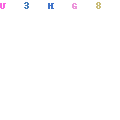
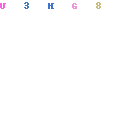
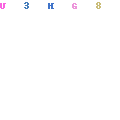
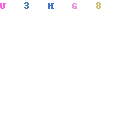
*Ammonium nitrate, NH4NO3


*Ammonium sulphate, (NH4)2SO4


*Ammonium phosphate, (NH4)2HPO4


*Urea, CO(NH2)2


- The effectiveness of ammonium fertilisers is determined by the percentage of nitrogen by mass in them.
- The fertilisers with a higher percentage of nitrogen is more effective for growth than those fertilisers with a low percentage of nitrogen.
- The percentage of nitrogen by mass is calculated from the formulae of the fertilisers using the following formula:

- Ammonium fertilisers can be prepared by neutralisation reaction between ammonia solutions with acids.